

Gen Zs May Never Understand the Thrill of Playing in an Arcade, and It is Sad
Apr 10, 2022 | 1 Votes by jose
10
rate
The arcade game center industry is in danger of completely disappearing. Let's take a quick look at why this is so, and why the Gen Z generation may never experience the thrill of playing in them.

My earliest recollection of the Arcades goes way back to the early 70s and '70s. Being in grade school at the time, whenever my parents would take a trip downtown, yours truly would make it a point to tag along. At that time, this department store was where we would purchase our needs. As it was a one-stop-shop, there was a supermarket in the basement, the department store on the other floors, and the arcade center on the topmost or penthouse floor. I would practically beg my parents to get a chance to play up there and would jump up and down when handed some coins while they took the time to rest and have a snack at the adjacent restaurant.
Games of the 70s were more electrical than electronic, but what did little boys care about? Just insert the coin into the slot and press the button, or in the case of Pinball, pull the plunger when the balls came out, and make sure to keep the ball on the board through all the bleeps and whistles by continually pressing the buttons at the side. Then, the '70s rolled into the 80s, which had me playing (this time) at the mall's basement with games that mainly didn't use moving parts but a screen with space ships and lasers on it and a lot of explosions and funky electronic music. As usual, you left when you had no more coins to insert. Time to go and come back another day.
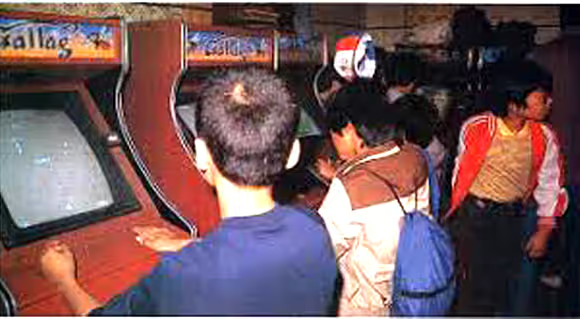
Such was the effect of the arcade center for someone who grew up from the '70s to the '80s. In the 90s, despite being a full-grown adult, visiting the arcade once in a while when one had some time at hand wasn't such a bad idea. The arcades of the time were populated by kids of all ages, from 5 to 45, and a senior or two now and then. At this time, you usually played fighting games like Tekken, Street Fighter, Mortal Combat, The X Men, and other titles that kept you glued to the screen while you pushed and pulled at the paddles of the game console. Also, many teens opted for more physical games like shooting basketballs, hitting a punching bag, and later, dancing to music on a dance machine. Of course, most games in the arcades had existing home console and PC versions, but kids still flocked to the arcades despite this.
Upon entering the 2000's with the proliferation and proverbial home-console war at full scale, the arcades started to decline progressively. Of course, people were still visiting the arcades, but with the dawning of the World Wide Web, people started playing games online. With the vast selection of games primarily available from the previous decades to the ever-growing online varieties, the attractive power of the arcade center was facing a lot of steep competition. What's more, home-based consoles started to reach the level of high-quality gaming with superior graphics, gameplay, and sounds. Despite this, arcade game machines continued to provide entertainment to arcade enthusiasts and patrons of restaurants, clubs, food houses, and other shops where people could congregate, socialize and play video games.
Despite all the ups and downs of the video arcade center industry, business owners were able to keep the ball rolling as there would always be customers who would amble themselves to the machines. Then, tragedy struck. The Pandemic of 2020 brought a lot of businesses down, and the arcades were on top of the list. No people outside meant no customers, and despite constantly wiping the machines with disinfectant, the off-and-on quarantines kept customers at bay. It's been two years into the Pandemic, and some countries are continuing to experience deadly waves of the infections, and with the variants of the virus popping out here and there, the possibility of another quarantine may practically loom closer than one may think.
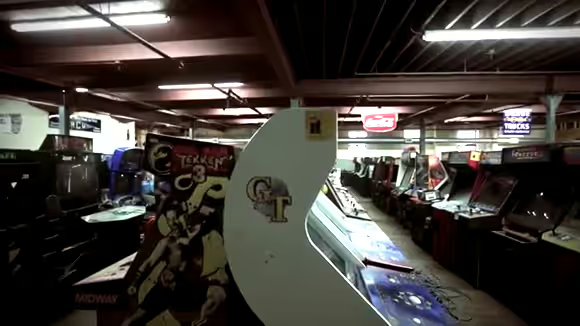
This situation has taken too much of a toll on the arcade gaming center industry as more of them continue to shut down on a worldwide scale. Even Japan's classic and iconic gaming centers like Akibara SEGA and the like have sadly been shut down. The US is losing its arcade centers one by one, and if things do not change soon, the arcade center business model would likely cease to exist. People today will have to enjoy their games with their advanced home consoles or with other players online to follow health protocols and protect themselves from getting infected.

Sadly, the young people and younger kids of today's Gen Z generation may never experience the joys of playing and losing one's load of coins to the arcade centers. They will enjoy games differently compared to the previous generations that played their games at the arcades, especially that of the kids from the 70s and the 80s. Each generation of human society has its way of entertaining itself, and as the generations change, so do their likes and practices. At the end of the day, as sad, it is to think that the young kids today may never understand and enjoy the arcade centers like we used to do, rest assured that they will enjoy their games in the way best suited for them.
Featured Games
 RAID: Shadow Legends
Recruit the best to join your team and take on Siroth, the Lord of Darkness himself!
 Dark Genesis
Play Dark Genesis and save the world from destruction with your allies.
 Pearls of Atlantis: The Cove
Shoot pearls and match them all together in Pearls of Atlantis: The Cove!
 Infinite Crisis
Become a Superhero and Save the Multiverse in A Stunning MOBA by DC Comics.
 Sparta: War of Empires
Fight off The Persians & Other Spartans in a Stunning Strategy Game Set in Sparta.
 League of Angels
Enjoy a Great MMORPG & Fight with Angels at your Side against A Great Evil.